Sporty
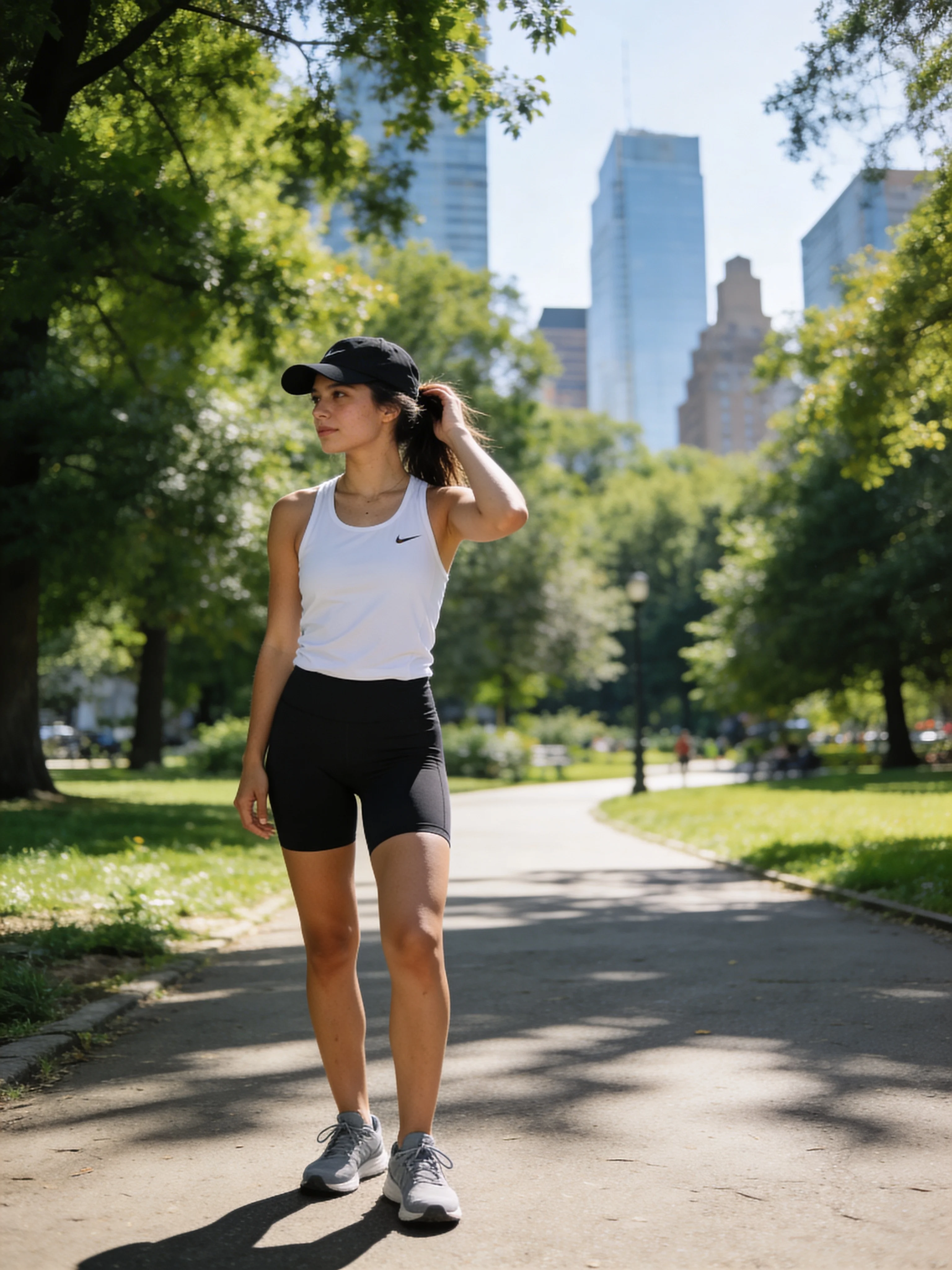
White Tank Race Day
A white sleeveless athletic tank keeps things breathable at 80°F with black biker shorts holding the athletic silhouette. The baseball cap handles the sun.

Wednesday, March 18
Based on 82°F and clear sky

top / Short-Sleeve Top
classic tee

bottom / Jeans
straight-leg
chinos for a slightly smarter look

footwear / Sneakers
white sneakers
cushioned for all-day city walking
Aurora, Colorado sits at roughly 5,400 feet elevation on the eastern edge of the Denver metro, where the Rocky Mountain foothills give way to the High Plains. That geography shapes a climate of real extremes: summer afternoons regularly climb into the upper 80s and occasionally touch 100°F, while January nights can drop below 0°F. What catches visitors off guard is not the cold or the heat alone, but the rapid swings — a February afternoon can feel almost mild at 55°F before temperatures plummet after sunset, and a July thunderstorm can roll in fast enough to drench you mid-hike. Aurora also averages around 300 days of sunshine annually, meaning UV exposure is a year-round consideration even in winter. Snowfall arrives as early as October and as late as April, but it tends to melt quickly thanks to those sunny days and the notorious Chinook winds that can push January temperatures into the 60s within hours. Local style leans practical and outdoors-ready — trail runners, layering systems, and packable insulation are everyday staples rather than weekend gear. Dressy occasions do exist, but the baseline wardrobe here is built around weather you can't fully predict from one hour to the next.
A white sleeveless athletic tank keeps things breathable at 80°F with black biker shorts holding the athletic silhouette. The baseball cap handles the sun.
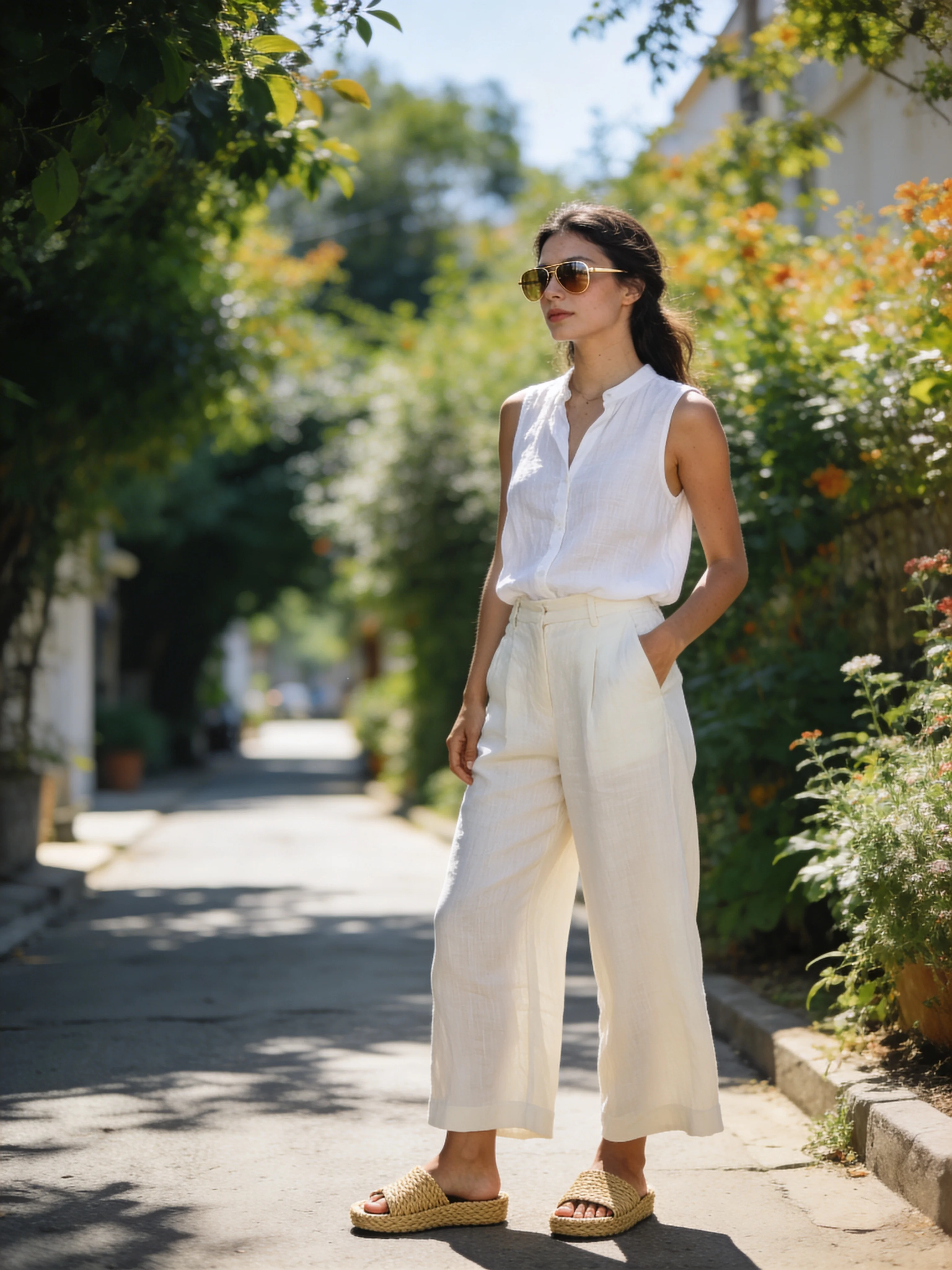
A white linen sleeveless blouse tucked into cream wide-leg linen trousers is the clean hot-weather business-casual answer. Espadrilles and gold aviators are all the styling it needs.
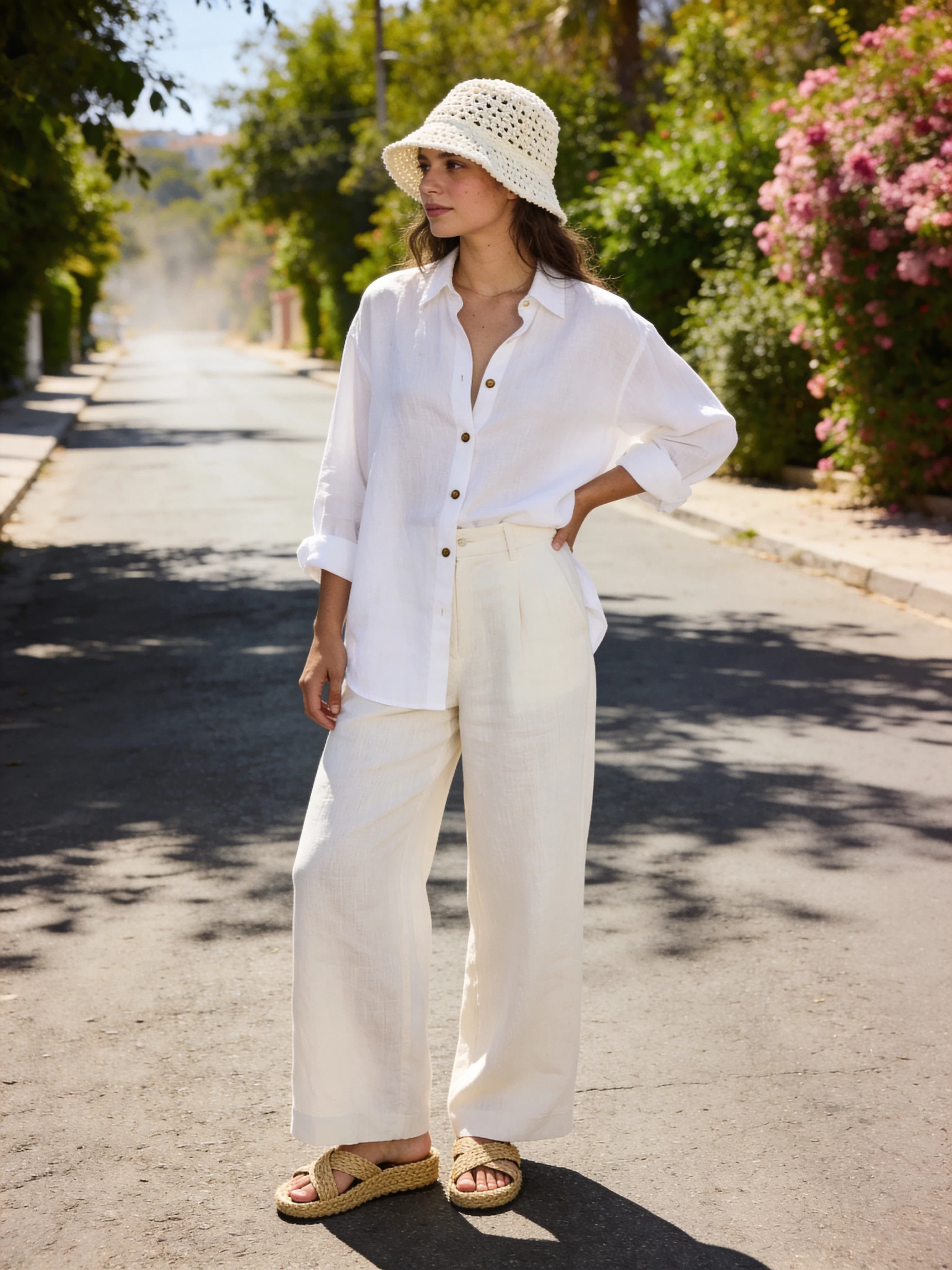
A white oversized button-down with ivory wide-leg linen trousers is the understated hot-day summer uniform. Espadrilles and a crochet bucket hat finish it without effort.
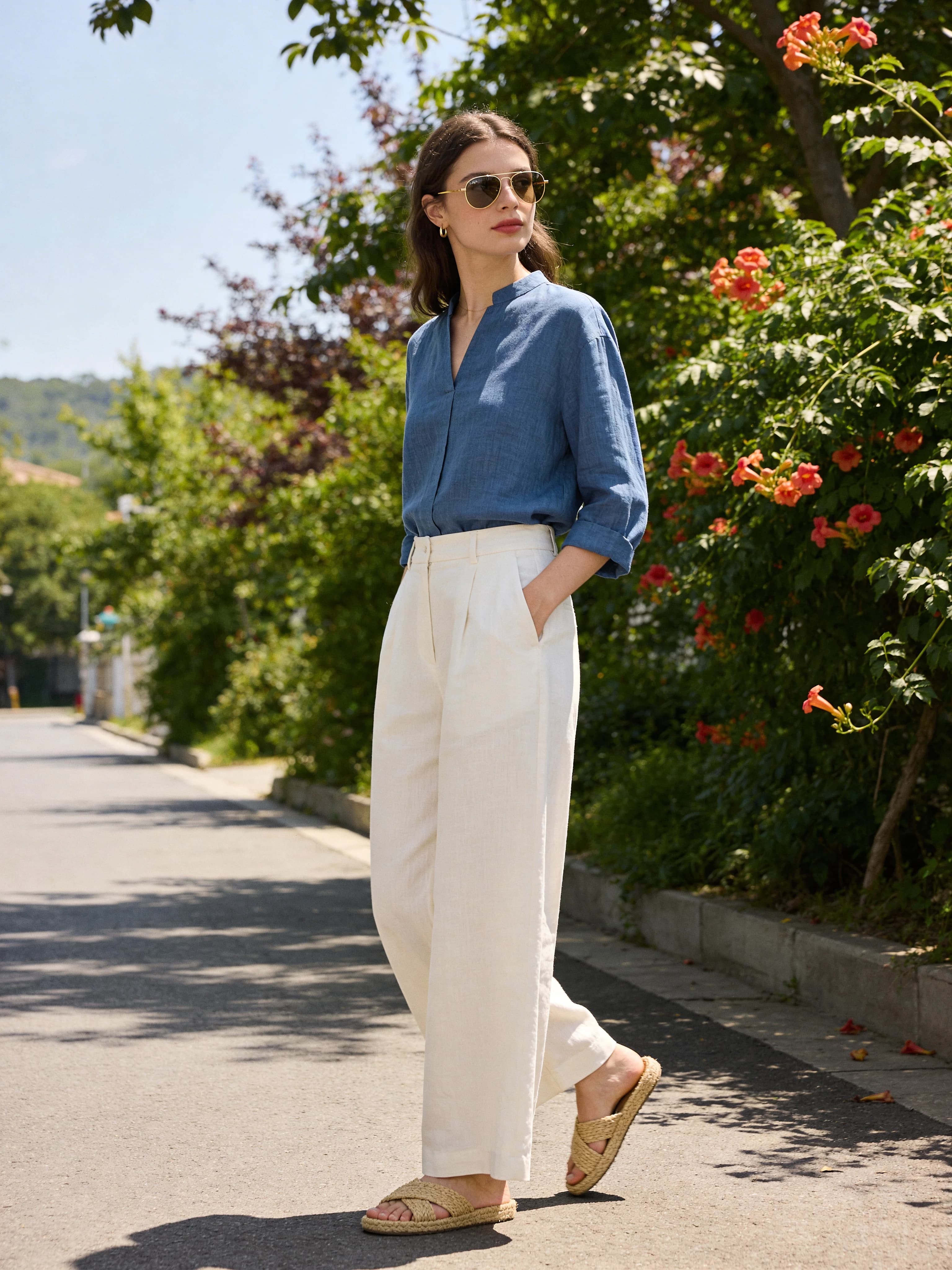
A blue linen collarless blouse over ivory wide-leg linen trousers in the heat is understated and intentional. Gold-frame aviators are the only thing needed to complete the picture.
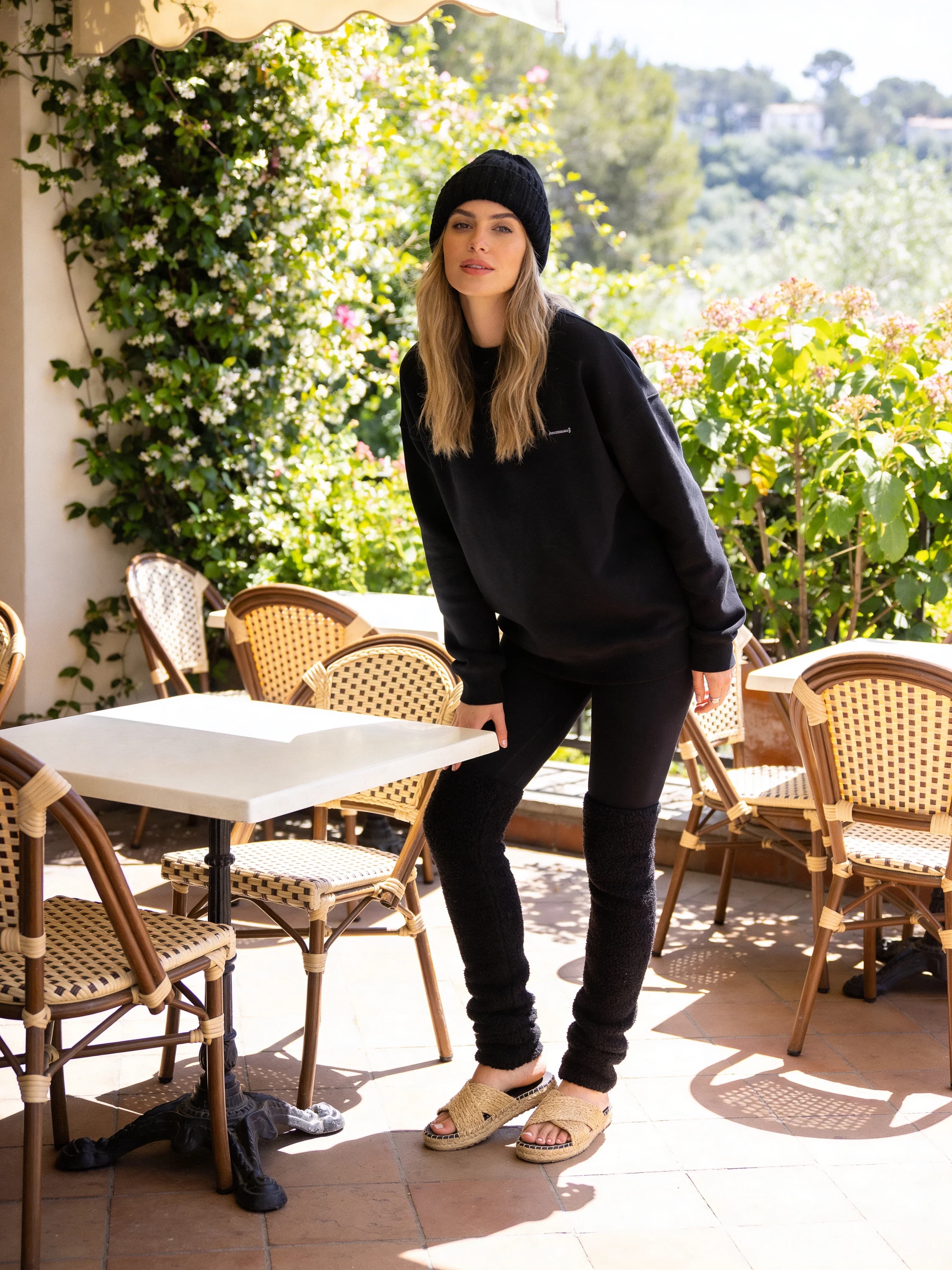
A black crewneck and fleece leggings with espadrilles in the heat is the statement of someone who runs cold. The knit beanie seals the commitment.
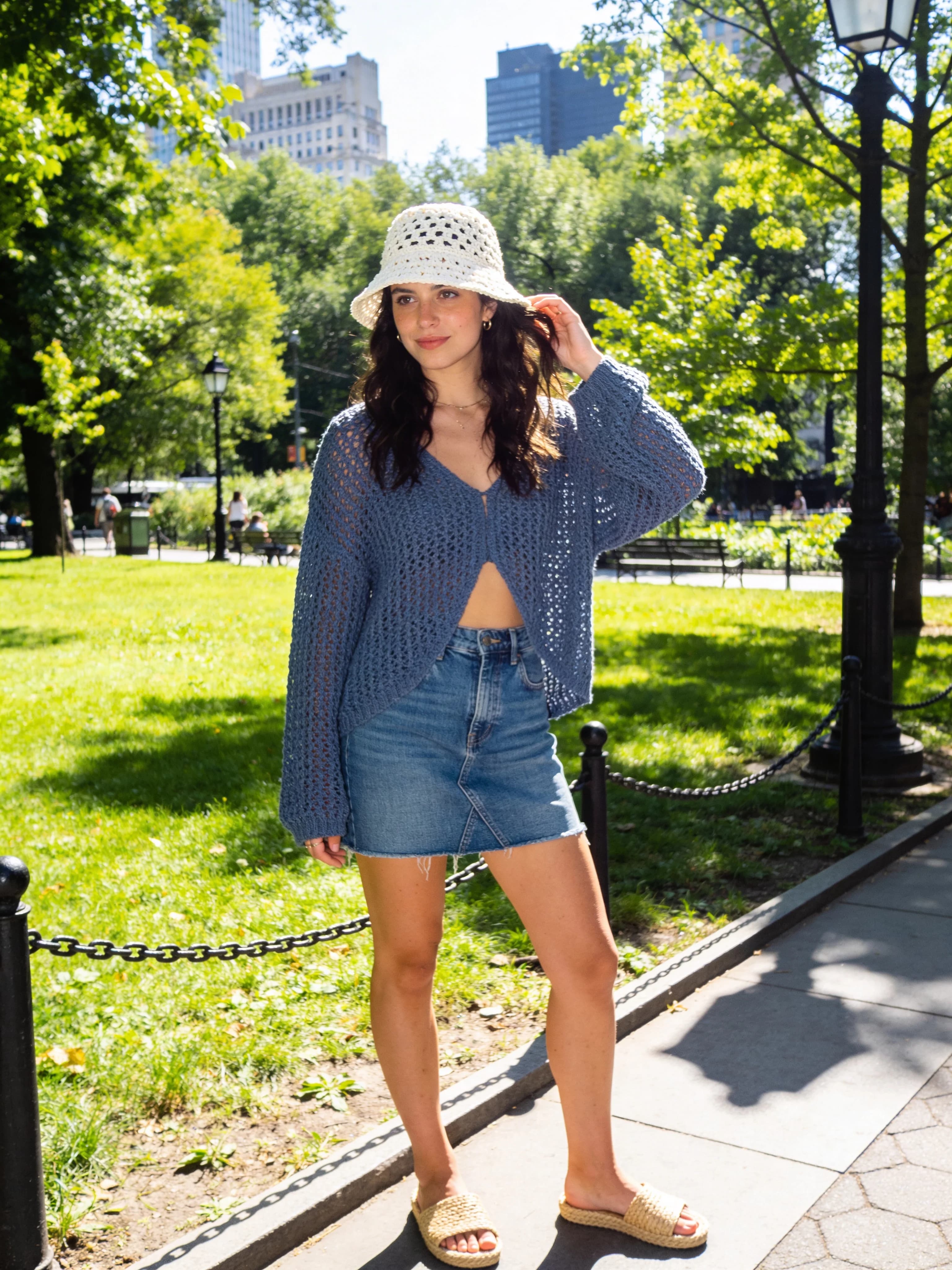
A dusty blue open-knit sweater worn loose over a denim mini skirt is the easy hot-day look. Espadrilles and a crochet hat keep it relaxed and summery.
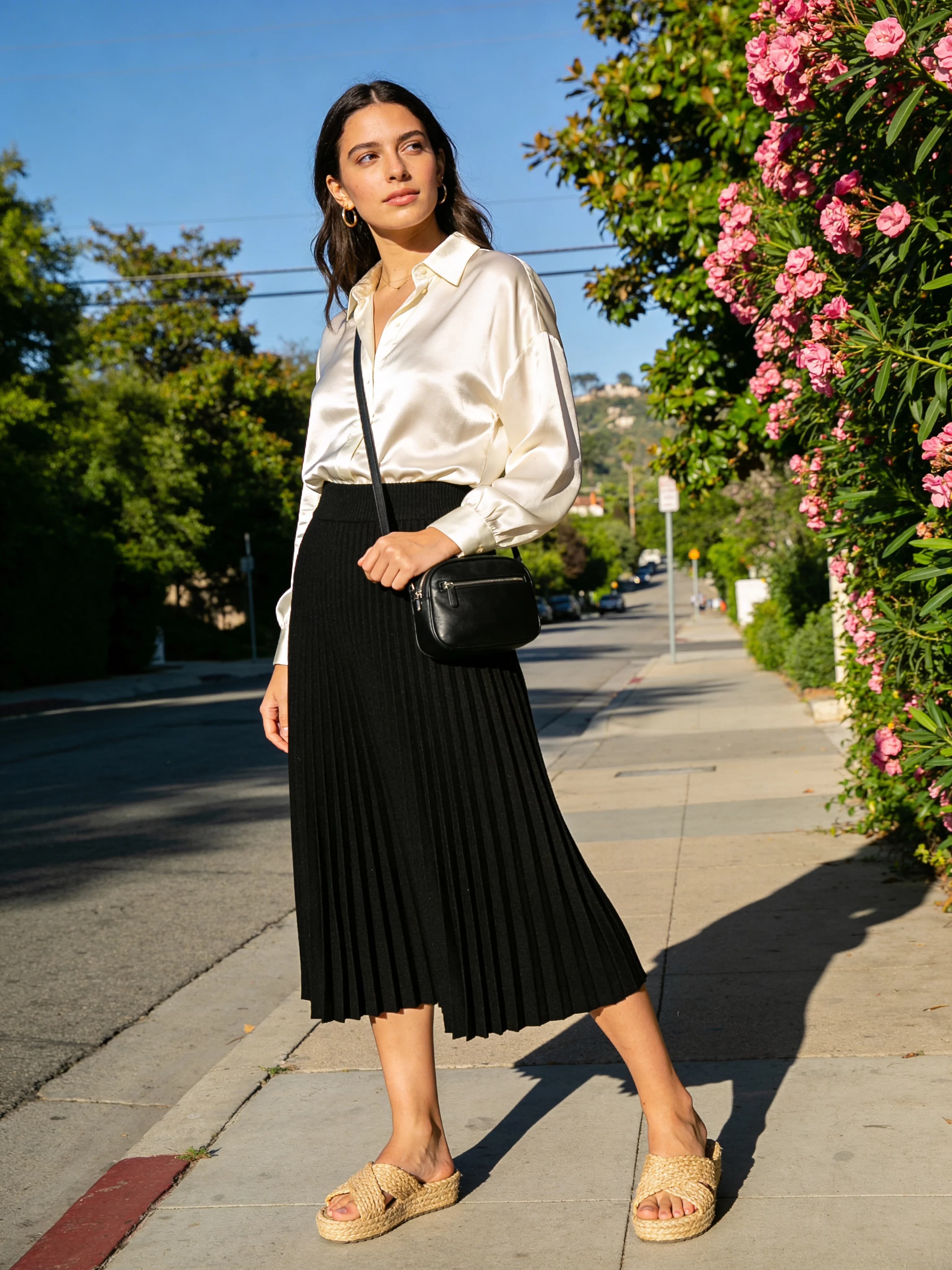
An ivory silk-look blouse and black pleated maxi skirt in the heat is the formal look that earns its occasion without adding weight. Espadrilles keep it grounded in the season.
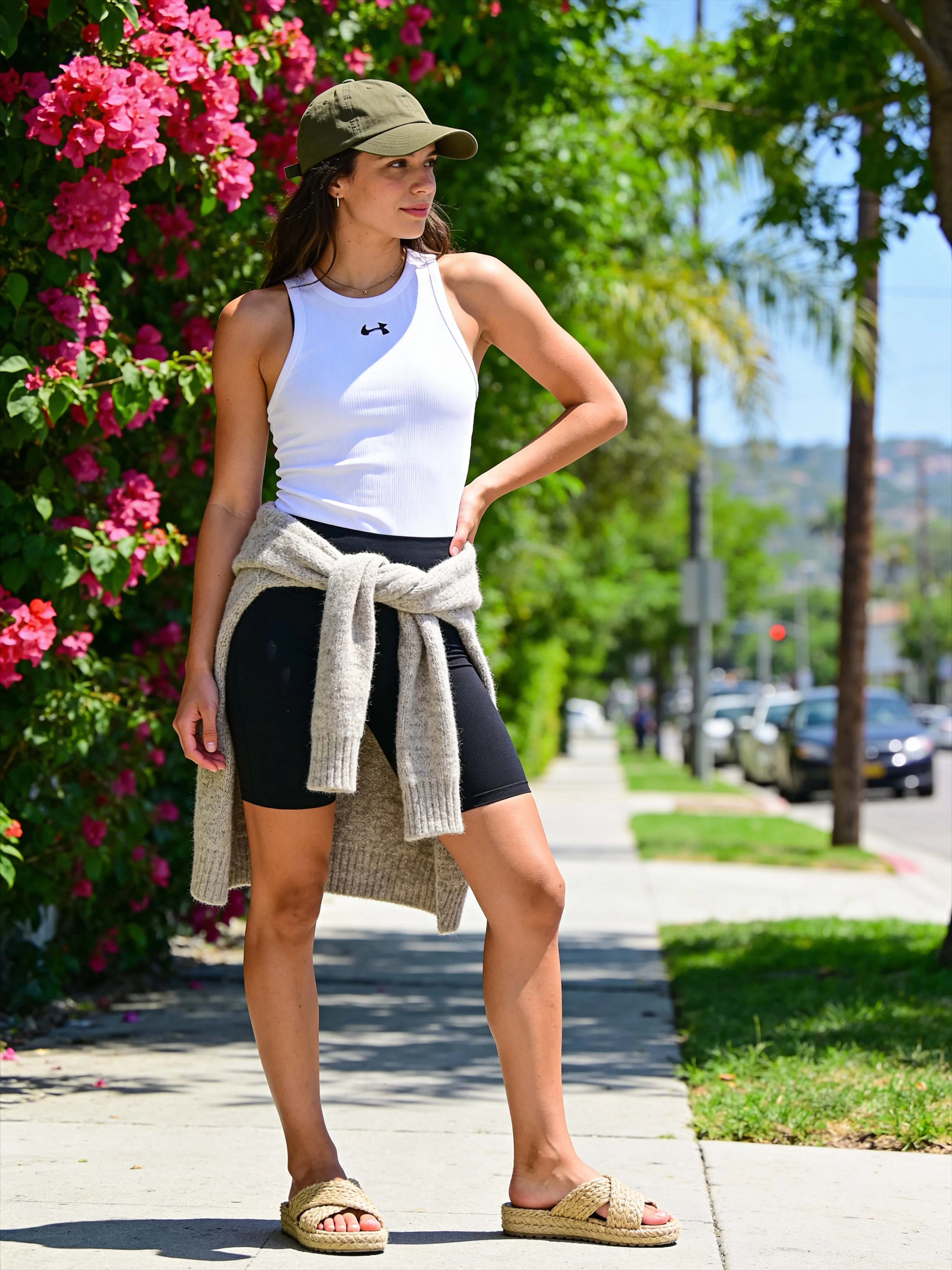
A white athletic tank with black biker shorts and espadrilles is the clean hot-day sporty look. An olive baseball cap is the functional accessory that pulls the palette.
See typical weather and outfit ideas for Aurora in any month of the year.
Aurora winters demand a serious layering strategy because temperatures can range from single digits overnight to the 50s or 60s during a Chinook warm spell, sometimes within the same week. A thermal base layer, a mid-layer fleece or down jacket, and a wind-resistant outer shell covers most situations. Keep waterproof boots and gloves accessible since snowstorms can arrive quickly, but don't be surprised if you're shedding layers by midday.
Summers in Aurora are hot and sunny, with daytime highs frequently in the high 80s to mid-90s°F, so lightweight, breathable fabrics are the foundation of any summer outfit. That said, afternoon thunderstorms are almost a daily occurrence from June through August, so carrying a compact rain jacket or packable poncho is genuinely useful rather than overly cautious. A hat and sunscreen are non-negotiable at this elevation, where UV radiation is significantly stronger than at sea level.
Aurora can get genuinely cold, with average January lows around 16°F and occasional stretches where overnight temperatures fall below zero. However, the city also benefits from frequent Chinook wind events that can bring mid-winter days warm enough for a light jacket. The cold is real but inconsistent, which means packing for a wide temperature range is smarter than packing exclusively for extreme cold.
Aurora has a semi-arid, high-plains climate with four distinct seasons, around 300 sunny days per year, and low humidity that keeps the air dry even in summer. Winters bring periodic snowstorms but also stretches of mild, clear weather, while summers are hot with frequent afternoon thunderstorms. Spring and fall are transitional and unpredictable — snowfall in May and warm days in October are both common — so layered, adaptable clothing works best across all seasons.